
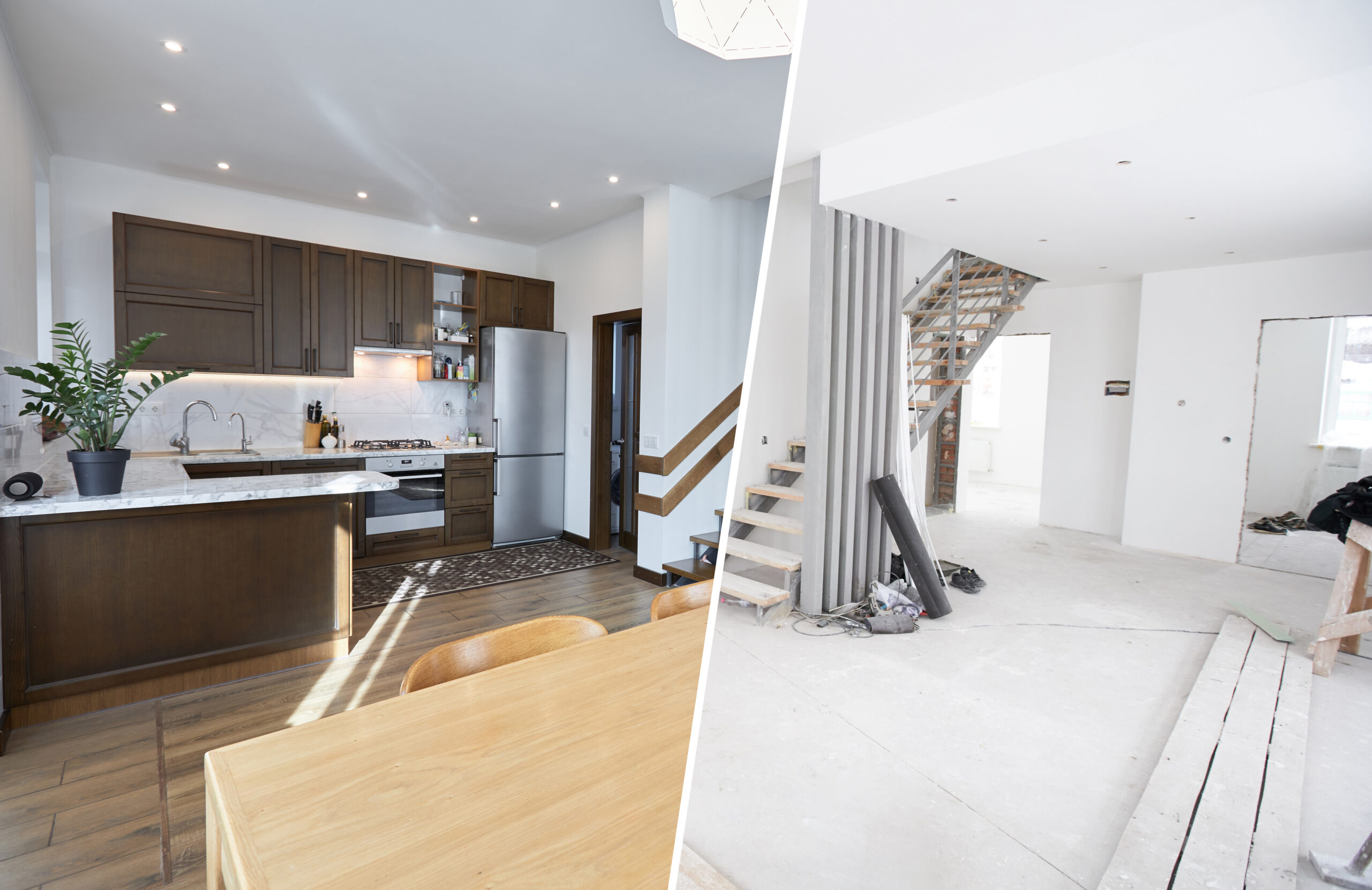
Read This Before You Renovate
Remodeling mistakes to avoid: Discover the decisions that are hard to undo later, from layouts to finishes, and save time and money. Read before you renovate today.
Remodeling opens the door to a fresh look and better function, but some choices are tough to reverse once the drywall is closed and finishes are set. The best remodels begin with a plan that respects structure, building systems, and daily life. In this guide, we highlight remodeling mistakes to avoid so you can protect your investment and enjoy your home longer. Jorndt Fahey, LLC has guided homeowners in Williams Bay, Lake Geneva, Fontana, and Delavan through luxury remodels with careful planning and precise execution. Use this checklist to steer around the pitfalls.
Start With the Big Picture: Structure and Layout
Load Bearing Walls and Structural Beams
Taking out walls without understanding how the home carries loads can trigger costly fixes and safety issues. If your heart is set on a more open plan, a structural assessment should come before layout decisions. Hidden supports, point loads, and long spans often require engineered beams and new posts. It is much harder to add these later. Jorndt Fahey, LLC coordinates with structural engineers early so beam sizing, post locations, and ceiling plane transitions feel intentional and beautiful from the start.
Plumbing Stacks and Drain Lines
Moving a toilet or relocating a kitchen sink across the room can mean rerouting large drain lines and vent stacks. That can affect multiple floors and exterior roof vents. If you plan a bathroom above a finished space, consider how drains will run and where access panels will be. Designing around existing stacks when possible saves cost and avoids intrusive structural changes. When a move is needed, plan it early so framing, sound control, and waterproofing align with the new route.
Staircases and Ceiling Heights
Stairs define circulation and code clearances. Changing their angle or position after framing is installed can ripple through the entire floor plan. Likewise, lowering a ceiling for ductwork or adding a tray detail after rough-in can squeeze headroom. Confirm stair geometry, landing sizes, and ceiling heights during design. Mock up headroom at tricky transitions like attic dormers and basement beams to avoid awkward changes later.
Windows, Doors, and Exterior Openings
New window sizes, door locations, and exterior openings affect structure, energy efficiency, and moisture control. Sizing impacts header loads. Placement affects furniture layouts, privacy, and sunlight. Poor flashing or rushed cuts can lead to leaks that are expensive to track down later. Before you order units, finalize heights, casing styles, and sill details. Jorndt Fahey, LLC ensures robust flashing, air sealing, and insulation details so beauty and performance go hand in hand.
Plan the Mechanicals Early
Electrical Layout and Panel Capacity
Undersized panels and sparse outlets are among the most common remodeling mistakes to avoid. Kitchens, home offices, and media rooms need dedicated circuits and thoughtful receptacle placement. A lighting plan should define where fixtures, switches, and dimmers go before wiring begins. Build in flexibility with three-way switches, smart controls, and spare conduit. Consider these often missed details:
- Power and conduit behind the TV or media wall
- Outlets in pantry or appliance garages for small appliances
- USB-C outlets at nightstands and desks
- Floor outlets for floating furniture layouts
- GFCI and AFCI protection where required by code
- Low-voltage runs for data, security, and shades
HVAC Sizing, Ventilation, and Duct Routes
Comfort depends on correct equipment sizing, balanced airflow, and quiet operation. Oversized systems short cycle and feel clammy. Undersized systems struggle on the hottest and coldest days. Plan supply and return locations to avoid drafts and noise. Bathrooms and kitchens need effective ventilation to the exterior. If you install a powerful kitchen hood, plan make-up air to keep the home balanced. Zoning or smart thermostats can improve comfort in multi-story homes. Jorndt Fahey, LLC maps duct routes during design to protect ceiling heights and keep grilles discreet.
Plumbing Rough-Ins and Shutoffs
It is easy to forget shutoff valves, recirculation loops, or future connections when excitement is focused on tile and fixtures. Add cleanouts you can reach. Include a hot water recirculation line for faster hot water at distant sinks. Place hose bibs in practical locations. Provide backing for wall-mounted fixtures and plan power for advanced bidet seats. These steps cost little early and are hard to add later without opening walls.
Kitchens: High-Impact Choices That Set the Tone
Work Triangle and Circulation
Great kitchens flow. Confirm aisle widths around islands and between counters. Common targets are 42 inches for a one-cook kitchen and 48 inches for two. Check dishwashers and ovens with doors open to ensure they do not block movement. Verify fridge door swing will not hit a wall or island. Create clear zones for prep, cooking, cleanup, and landing areas next to appliances. Poor circulation is one of the most frustrating remodeling mistakes to avoid because it hurts daily function.
Appliance Sizes and Ventilation
Appliances drive cabinet sizes, electrical needs, and ductwork. Decide on built-in or freestanding ranges, panel-ready dishwashers, and fridge depth before you finalize cabinetry. A 36 or 48 inch range hood needs the right duct size and straight runs for quiet performance. If you plan a gas range, confirm makeup air as required by code. If you select induction, plan dedicated circuits and confirm cookware compatibility. For microwaves, consider a drawer microwave to free eye-level space and improve safety.
Cabinetry, Storage, and Organization
Cabinet choices shape your daily experience. Deep drawers often beat base cabinets with doors for access and ergonomics. Include a trash and recycling pullout near the sink and prep zone. Add vertical dividers for trays and cutting boards. A walk-in pantry or cabinet pantry with pullouts keeps clutter down. Plan outlets in appliance garages for blenders and coffee machines. Under-cabinet lighting with a dimmer gives task light without glare. Jorndt Fahey, LLC helps align cabinet details with your cooking style so everything has a place.
Durable Surfaces and Splash Zones
Countertops, backsplashes, and flooring take daily wear. Choose surfaces that match your maintenance comfort. Quartz is durable and consistent. Natural stone has unmatched character but often needs sealing. For sinks, undermount models and single-bowl designs can simplify cleanup. Consider full-height backsplash in heavy splash zones around the range and sink. Think through seam placement and the look of inside corners. Once installed, swapping materials is a major disruption, so take the time to sample in real light and confirm edges and finishes.
Bathrooms: Water Management and Comfort
Shower Size, Drains, and Waterproofing
Waterproofing is not the place to cut corners. Choose a proven membrane system for walls and floors. For curbless showers, plan the slope and recess the subfloor early. Linear drains allow large-format tile and a clean look, but require precise layout. Add blocking for grab bars and a solid bench if you want one. Place niches on interior walls to reduce thermal swings and moisture risk. If you dream of a steam shower, plan a sealed door, vapor barrier, and proper ventilation before tile is designed.
Toilet Placement and Clearances
Toilet rough-ins are difficult to move later, especially on slab or finished floors. Ensure at least 15 inches from the center of the toilet to side walls and 24 inches clear in front. If you prefer a separate water closet, confirm ventilation and a quiet fan. For bidet seats, plan an outlet on a GFCI protected circuit near the fixture. These details preserve comfort and reduce noise transfer.
Heated Floors and Ventilation
Radiant heat under tile floors adds comfort and cuts chills on winter mornings. Install a dedicated thermostat and consider an uncoupling membrane for tile longevity. Every bathroom also needs a properly sized, quiet exhaust fan vented outside. A humidity sensor or timer switch helps ensure consistent use. Windows do not replace an exhaust fan in cold climates like southeastern Wisconsin.
Flooring and Sound Control
Subfloor Preparation and Transitions
Tile requires a stiff, flat subfloor. Hardwood needs proper acclimation and moisture control. Luxury vinyl plank installers still need a smooth surface to avoid telegraphing. Plan transitions between rooms to align thicknesses and avoid tripping points. Once floors are in, correcting squeaks or lippage means dust, noise, and extra cost. Jorndt Fahey, LLC evaluates subfloor deflection and flatness before finish materials arrive.
Soundproofing Between Rooms
Bedrooms next to living areas and bathrooms near quiet spaces benefit from extra sound control. Options include mineral wool in stud bays, double drywall with acoustic compound, and resilient channels. Solid core doors with good seals further cut noise. It is far easier to add these layers before drywall than to chase sound paths later.
Lighting Sets the Mood and Function
Layered Lighting and Controls
Balanced lighting mixes ambient, task, and accent sources. Recessed lights alone can feel flat. Add pendants over islands, sconces at vanities, and under-cabinet lighting for work zones. Use dimmers to tune brightness by time of day. Choose warm color temperatures for living areas and neutral bright for tasks. Smart controls let you set scenes and schedules. A strong lighting plan is one of the best ways to avoid the common remodeling mistakes to avoid that leave rooms either too dim or glaringly bright.
Future-Proofing and Accessibility
Universal Design Choices
Accessible features make homes more comfortable for everyone and protect long-term value. Consider 36 inch doorways, lever handles, zero-threshold entries at showers, and blocking for future grab bars. Plan a first-floor suite or a space that can flex into a bedroom as needs change. These adjustments are simple during a remodel and far more difficult after the fact.
Technology and Wiring
Homes are more connected than ever. Run conduit to key locations so you can upgrade later without opening walls. Add ethernet to offices and media spaces for reliable streaming. Place access points for whole-home Wi-Fi. Prewire for speakers, shades, security, and cameras. If you might add an EV charger, solar, or a backup generator, plan panel capacity and conduits now. Jorndt Fahey, LLC integrates technology planning with your design so upgrades remain flexible.
Storage and Furniture Planning
Built-ins and closet systems can be designed around what you own. Measure luggage, bins, and seasonal items. Allow for deep drawers in dressers and plan hanging heights that match your wardrobe. In living rooms, confirm rug size, sofa depth, and sightlines to the TV before placing outlets and floor boxes. A few inches now can prevent furniture frustration later.
Permits, Codes, and Approvals
Skipping permits or guessing at code can stall projects and create liability at resale. Many Wisconsin municipalities, including those around Lake Geneva and Delavan, require permits for structural work, electrical upgrades, plumbing changes, and exterior modifications. Historical districts, shoreland zoning, and homeowners associations may add approvals and design guidelines. Jorndt Fahey, LLC manages permitting, inspections, and code compliance for a smooth path from concept to completion.
Budget, Timeline, and Sequencing
Order Matters
- Finalize design, scope, and selections
- Confirm structural, mechanical, and code requirements
- Order long lead items like windows, cabinets, appliances, and specialty fixtures
- Protect areas not under construction and set site rules
- Complete demo and framing adjustments
- Rough-in mechanicals and pass inspections
- Close walls, finish surfaces, and install millwork
- Set cabinets, countertops, and flooring
- Install fixtures, paint, and complete final electrical and plumbing
- Walkthrough, punch list, and handoff
Rushing selections or delaying orders can pause the job for weeks. Build a realistic timeline with allowances for lead times. Hold a contingency for surprises behind walls. Changing a layout midstream often triggers revisions to permits, rough-ins, and finishes. Clear communication and documented decisions help you avoid the most painful remodeling mistakes to avoid.
Partner With the Right Builder
Luxury results depend on disciplined planning and craftsmanship. Jorndt Fahey, LLC brings decades of building and remodeling experience to every project, from design collaboration and budgeting to daily site care. Our team emphasizes clear communication, proactive scheduling, and constant quality checks. We coordinate architects, engineers, and trusted trades so details align and the final result feels cohesive. When you work with our team, you get a thoughtful process that reduces risk and protects your investment.
Who We Are: Jorndt Fahey, LLC
Jorndt Fahey, LLC is a premier custom home builder based in Williams Bay, Wisconsin. We serve Lake Geneva, Fontana, Delavan, and nearby communities. Founded by Douglas and Bryan Jorndt of Jorndt Builders, LLC, and Dan Fahey, our company blends deep building expertise with creative design thinking. Our mission is simple and steady. Deliver high-quality craftsmanship, honor timelines, and create satisfied clients through clear communication and attention to detail.
Our Services
- Custom Home Design: Tailored concepts that bring luxury home visions to life
- New Home Construction: Comprehensive builds in collaboration with architects and homeowners
- Luxury Remodels: Transforming kitchens, baths, and whole homes with meticulous care
- Home Additions: Seamless expansions that look and feel original to the home
Leadership
- Bryan Jorndt: Skilled in construction and subcontractor coordination, with sharp project visualization
- Douglas Jorndt: Experienced in business management and customer-focused project coordination
- Dan Fahey: Expert remodeler and designer known for quality and adaptability
Service Area and Contact
We proudly serve homeowners in Williams Bay, Lake Geneva, Fontana, Delavan, and surrounding areas. Visit us at 168 Elkhorn Road, Williams Bay, WI 53191. Call (262) 607-6121 or email office@jorndtfaheyllc.com to schedule a consultation. Hours: Mon-Fri: 7 am to 7 pm. Sat: 10 am to 5 pm. Sun: 12 pm to 4 pm.
Your Next Step
A successful remodel rests on early decisions that respect structure, building systems, and daily habits. When you plan mechanicals, protect water management, and design around real-life routines, the finished spaces feel effortless and last for years. As you weigh remodeling mistakes to avoid, choose a builder who treats your home with care and communicates at every step. Jorndt Fahey, LLC is ready to help you plan with confidence and build with precision. Reach out today to begin a thoughtful, well-managed remodel you will love living in tomorrow.



Leave A Comment