

Begin With Your Vision and Budget
Before you shop for property, get clear on what your new home should feel like and what you want daily life to be. Do you picture lake views near Lake Geneva, a quiet wooded retreat outside Fontana, or a walkable neighborhood in Williams Bay or Delavan? Your vision guides everything about land selection. Jorndt Fahey, LLC encourages clients to write down must haves and nice to haves so you can compare sites with purpose, not guesswork.
Next, set a working budget. A simple rule is to decide how much of your total budget you want to put into land versus construction and soft costs. Land can account for anywhere from 15 percent to 40 percent of your overall investment depending on location and lot features. Keep room for site prep, utility connections, permits, design, and contingencies. If you are searching for custom home builders Wisconsin homeowners trust, start with a transparent budget conversation so your site choice aligns with your final home goals.
Consider size and scale too. A luxury one level home with a three stall garage needs a different footprint than a vertical design with a walkout basement. Your desired square footage, garage count, outdoor living spaces, and pool or sport court plans should inform minimum lot size and shape, as well as slope and access needs. The sooner you pair your vision with practical numbers, the easier it becomes to identify lots that truly fit.
Location Priorities in Wisconsin
Neighborhood, Schools, and Daily Convenience
Start big, then get specific. Choose the city or township first by weighing commute times, school districts, health care access, and recreation. From there, zoom into neighborhoods and study what daily life will be like. Note drive times during rush hour and winter conditions. Visit at different times of day to assess noise levels, privacy, and traffic. Talk to neighbors, learn about plans for nearby development, and review property tax trends before you fall in love with a single lot.
Lakes, Shoreline, and Recreation Access
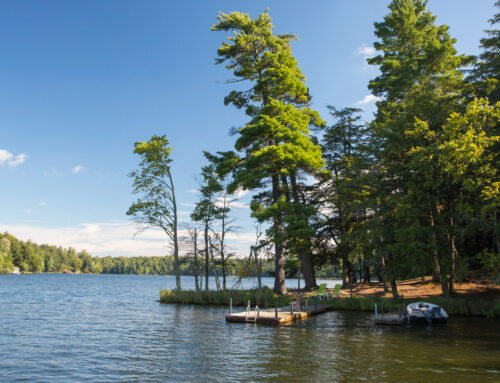
Properties near Lake Geneva, Delavan Lake, and other local waterways bring lifestyle perks along with rules that shape design and construction. In Wisconsin, shoreland and floodplain regulations can influence setbacks, maximum building height, and the total amount of impervious surface you can add. If lakeside living is part of your dream, include these limits in your early planning. Jorndt Fahey, LLC works within these guidelines while preserving views, sunlight, and privacy so your home feels both open and protected.
Services, Taxes, and HOA Rules
Different municipalities offer different utility access, road maintenance, and emergency services. Property taxes vary, and some subdivisions maintain private roads or community features that come with HOA dues and design rules. Ask for a copy of any covenants, review them with your builder, and confirm they align with your architectural style and outdoor living plans. These details can be the difference between a smooth approval and frustrating delays.
Site Characteristics That Shape Design
Topography and Grading
Lot slope is one of the most powerful design drivers. A gentle downward grade can set up a beautiful walkout lower level. A severe slope may require extensive retaining walls or a creative tiered design. Flat ground looks simple but can need drainage work to manage seasonal snowmelt and heavy rain. Your builder should map existing elevations and propose strategies to position the home for stable foundations, cost effective grading, and elegant outdoor areas.
Soils, Drainage, and Basement Feasibility
Soil type determines foundation needs, septic performance, and water management. In Southern Wisconsin, you may encounter clay, sand, or glacial till. A soil analysis reveals bearing capacity and seasonal moisture behavior. Perc tests confirm septic suitability when municipal sewer is not available. If a lower level is part of your plan, understand the water table and drainage patterns to minimize sump pump reliance and keep storage or living spaces dry. Jorndt Fahey, LLC evaluates these factors early so your design and budget are grounded in real site data.
Sun, Wind, and View Corridors
How the sun moves across your lot will influence window placement, roof overhangs, and patio comfort. A skilled team will align primary living spaces to capture morning light and frame the nicest views, while managing summer heat gain. Consider prevailing winds for screened porches and grilling zones. Keep winter sunshine in mind for warmth and natural light during shorter days. Locating the home to balance views with privacy is a subtle art that pays off every day you live there.
Setbacks, Building Envelope, and Tree Canopy
Setbacks and easements carve out a legal building envelope on your lot. This envelope defines how wide and deep your home can be and where driveways and utilities must run. If mature trees are part of your vision, protect root zones during construction planning and prioritize species that add value. Healthy canopy can reduce cooling needs and add a beautiful sense of scale to your home. Your builder should flag heritage trees worth preserving and create a plan to keep them thriving.
What to Document During a Site Walk
- High and low points, drainage swales, and seasonal water flow
- Neighbor windows, decks, and driveways that affect privacy
- Noise sources like roads, marinas, or mechanical enclosures
- Utility locations, power poles, and transformer placement
- Existing trees and understory species to preserve or remove
- View corridors you want to frame from key rooms
- Potential patio, pool, or outdoor kitchen areas
- Best approach for snow removal and safe winter access
Utilities and Access
Water and Sewer or Well and Septic
Confirm whether municipal water and sewer are available at the lot line. If not, budget for a well and septic system, and verify the site can support them. Septic size is tied to bedroom count, so your floor plan should be part of the conversation. Well placement must account for setbacks from septic fields and property lines. Ask for recent utility maps and involve your builder early to avoid costly surprises.
Power, Natural Gas, and Internet
Reliable power and high speed internet are vital for modern living. Check proximity to electrical lines and transformer locations. If natural gas is not nearby, you may plan for propane. Explore internet options and speeds. If fiber is not available yet, consider line of sight wireless providers. These choices affect appliance selection, energy performance, and daily comfort.
Driveway Design and Year Round Access
Your driveway is a daily experience, so get it right. Confirm sight lines at the road, plan adequate width for service vehicles, and evaluate slope for winter traction. Consider a heated apron near the garage or carefully designed drainage and pavement materials to enhance safety. In snow season, where will plowed snow go without blocking access or damaging landscaping? Build those answers into your plan.
Permits, Zoning, and Environmental Rules
Local Zoning Basics
Each municipality defines zoning that addresses setbacks, lot coverage, height limits, and accessory structures. Some districts include architectural guidance on roof pitch and exterior materials. If you want a pool house, a detached garage, or a sport court, confirm where they can be located and whether they count toward lot coverage. Document these rules before you finalize a lot purchase.
Shoreland, Wetlands, and Floodplains
Wisconsin shoreland and wetland rules protect waterways and natural habitats. Lots near lakes and streams can include setback buffers and limits on impervious surfaces such as driveways and patios. Floodplain maps identify risk areas that can change foundation design and insurance needs. Your builder should coordinate with local officials to confirm what is buildable and how to design responsibly. Jorndt Fahey, LLC brings clarity to these topics so your investment is protected.
HOA and Architectural Review
Many luxury neighborhoods include architectural review for new homes and landscape features. Early communication helps reduce revisions and speeds approval. Collect guidelines, sample approvals, and timelines as part of your due diligence so your project launches smoothly.
Hidden Costs to Plan For
- Tree removal and stump grinding
- Rock excavation or soil import
- Retaining walls and complex grading
- Driveway paving length and base depth
- Stormwater management systems
- Temporary power, fencing, and access roads
- Impact fees and utility connection fees
- Well drilling depth variances and water treatment
- Septic system type upgrades if soils require it
- Winter construction measures and weather delays
Seasonal and Climate Considerations
Wisconsin seasons shape building schedules and design. Frost depth affects foundation design. Spring thaw can limit heavy equipment on soft ground. Summer is prime for excavation and framing. Fall is ideal for exterior finishes, while winter can slow some trades but is workable with planning. When reviewing lots, think about wind exposure in winter and shade in summer. Placing outdoor spaces with these realities in mind boosts comfort across seasons.
How Jorndt Fahey, LLC Guides Your Lot Search
Jorndt Fahey, LLC is a premier custom home builder based in Williams Bay, serving Lake Geneva, Fontana, Delavan, and surrounding communities. The team blends decades of building experience with fresh design thinking to help clients choose land that elevates their lifestyle. If you are evaluating sites and want the support of custom home builders Wisconsin residents recommend, consider this due diligence approach.
- Discovery session to define lifestyle goals, size needs, and budget
- Pre purchase site walks that flag grading, drainage, and utility factors
- Preliminary building envelope sketches to confirm fit
- Cost modeling that compares site prep scenarios for each lot
- Coordination with surveyors, soil engineers, and local officials
- Home orientation studies to capture views and sunlight
- Timeline planning that accounts for approvals and seasons
From custom home design and new home construction to luxury remodels and thoughtful additions, Jorndt Fahey, LLC backs every decision with clear communication and meticulous project management. That starts with land selection and continues through completion.
Negotiating and Closing on Land
A strong offer protects your interests while keeping the seller engaged. Use contingencies to confirm the lot truly supports your home goals. The right builder partner will help you choose what to include.
- Make the offer contingent on a current survey and verified lot lines.
- Include a contingency for a perc test and septic design if needed.
- Request time for soil borings when the site raises questions.
- Confirm utility availability and connection costs in writing.
- Ask for HOA documents, design rules, and fee schedules.
- Use an extended closing or lease back if you need time for approvals.
- Negotiate tree or debris clearing if the seller can complete it cost effectively.
- Secure title insurance and review any easements that affect design.
Real World Scenarios
Sloped Lot With Lake Glimpses
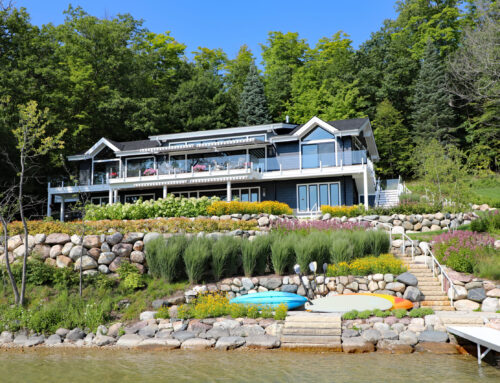
A client loved a hillside lot near the water. The slope enabled a walkout lower level and elevated main living areas with a treetop view. Soil tests showed good bearing, but runoff patterns required a smart drainage plan. With crisp grading and a tiered terrace design, outdoor living now flows across seasons without erosion or water intrusion.
Wooded Retreat Outside Town
A quiet, tree lined parcel promised privacy. After a careful site walk, the plan preserved a canopy along the drive and created a clearing for southern light at the great room. A well and conventional septic were feasible, and strategic window placement now captures filtered light without sacrificing privacy.
Common Mistakes to Avoid
- Falling in love with a view before confirming the building envelope
- Underestimating driveway cost on long or steep approaches
- Skipping soil borings on challenging terrain
- Assuming utilities are simple without written confirmation
- Ignoring HOA design rules that limit exterior materials or roof shapes
- Placing the house without analyzing sun and wind patterns
- Overlooking snow storage, plow routes, and winter traction
- Not reserving enough budget for site prep and contingencies
Frequently Asked Questions
How big should my lot be for a luxury custom home?
It depends on your layout, garage count, and outdoor plans. Many luxury homes fit well on half acre to one acre lots, but view, setbacks, and septic areas can push the need higher. Work with your builder to test sample footprints against real setbacks and easements before you commit.
Is a steep lot a deal breaker?
No. Steep lots can unlock beautiful walkout designs and layered outdoor spaces. The key is smart grading, drainage, and retaining strategies. Costs can be higher, so model different solutions before buying.
What should I check first near a lake?
Study shoreland rules, floodplain maps, and lot coverage limits. Confirm setbacks from the water and any vegetative buffer requirements. Consider boat access and parking too. These factors shape both home size and placement.
When should I involve a builder in my land search?
As early as possible. A builder can spot cost drivers, estimate site prep, and confirm feasibility. Many buyers save time and money by bringing Jorndt Fahey, LLC to site walks before making an offer.
Do I need a perc test if sewer is available?
No. Perc tests are for septic suitability. If municipal sewer is available and feasible, you will connect to it instead. Always verify connection costs and timelines with the municipality.
Meet the Team Guiding Your Build
Jorndt Fahey, LLC is led by a seasoned team with complementary strengths. Bryan Jorndt is skilled in construction and subcontractor coordination, and he brings strong project visualization to every site. Douglas Jorndt focuses on business operations and client centered coordination that keeps schedules and communication on track. Dan Fahey is an expert remodeler and designer known for quality and adaptability. Together they combine decades of craftsmanship with a refined, approachable process that makes complex projects feel manageable.
Why Work With Jorndt Fahey, LLC
Choosing land is the first major decision in a custom build. When you partner with custom home builders Wisconsin homeowners rely on, you reduce risk and increase value. Jorndt Fahey, LLC brings a complete service lineup, including custom home design, new home construction, luxury remodels, and seamless additions. The team aligns your lifestyle goals with your site, transforms constraints into design advantages, and manages details with care until the last finish is set.
Start Your Site Search With Confidence
If you are ready to tour lots around Williams Bay, Lake Geneva, Fontana, or Delavan, bring a trusted builder to your side. Jorndt Fahey, LLC will help you compare properties, avoid costly mistakes, and create a home that lives beautifully on the land you choose. Call (262) 607-6121, email office@jorndtfaheyllc.com, or visit 168 Elkhorn Road, Williams Bay, WI 53191. Hours: Mon Fri 7 am to 7 pm, Sat 10 am to 5 pm, Sun 12 pm to 4 pm. Your vision deserves a site that enhances it. Work with custom home builders Wisconsin families recommend and take the next step today.
Leave A Comment