
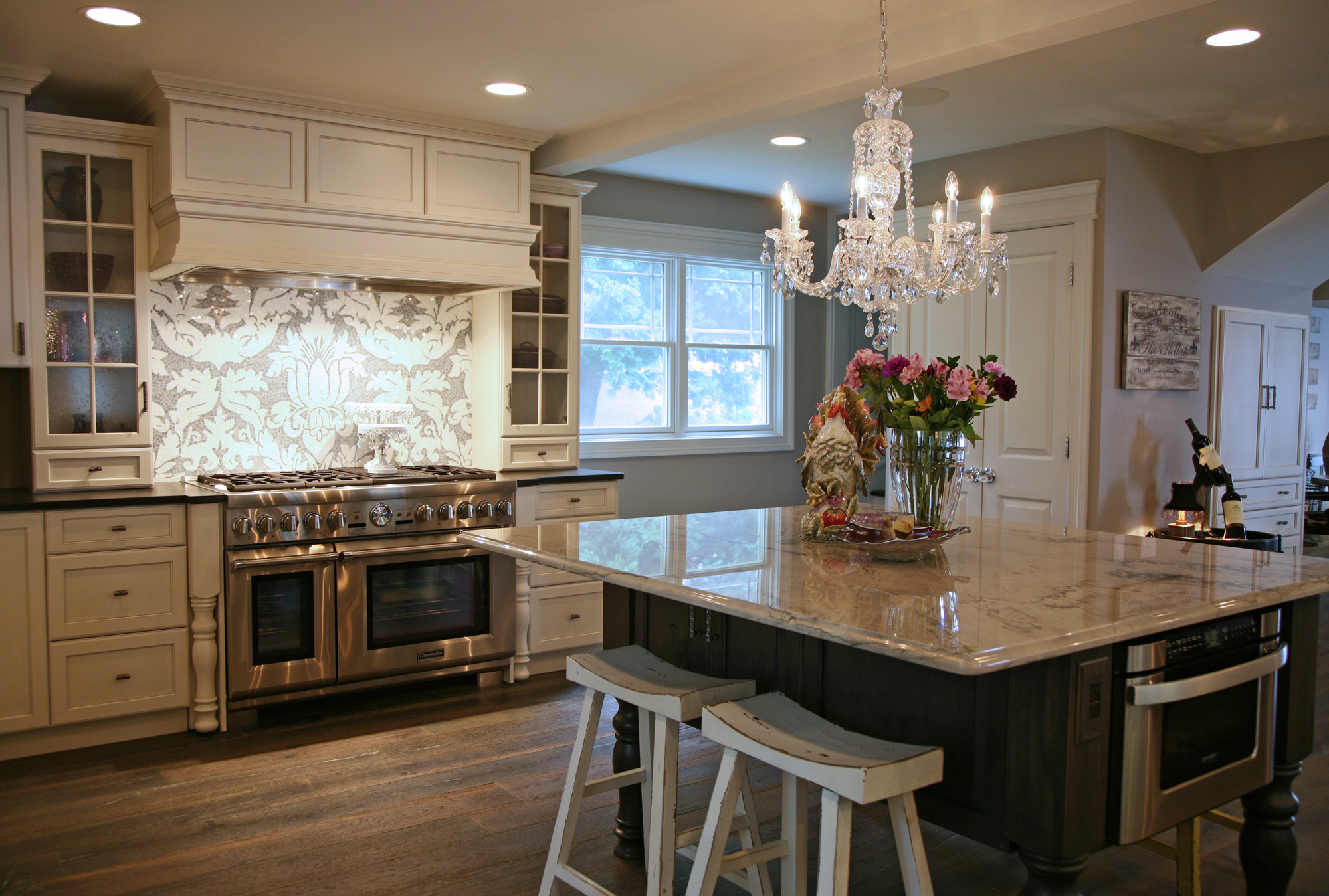
The Role of Rare Stone in Gourmet Kitchen Features
Rare stone instantly elevates a kitchen. It is more than a work surface. It is a focal point that influences light, color, and the feel of your entire home. When you picture a true chef’s space, you imagine a wide island with expressive veining, a silky honed finish, and edges that look as precise as fine furniture. Those are the gourmet kitchen features that make cooking a pleasure and hosting feel effortless. At Jorndt Fahey, LLC, we help homeowners in Williams Bay, Lake Geneva, Fontana, and Delavan choose stone that blends daily performance with eye-catching beauty, then we manage every detail from sourcing to installation.
Understanding Stone Options and What Makes Them Rare
Quartzite for luminous strength
Quartzite forms under heat and pressure, which makes it very hard and scratch resistant. It often looks like marble but holds up better to traffic and heat. True quartzite resists etching from acidic foods. Its rare forms show blue, green, or rose hues with crisp veins and a sparkling depth that reads as luxury without fuss.
Marble for timeless movement
Marble is the classic choice for bakers, artists, and those who love a natural patina. Calacatta, Statuario, and Arabescato are prized for dramatic veining and bold contrast. Marble can etch and stain if left unsealed or if spills sit. Still, many clients prefer how it develops character over time. When curated with care, marble brings unmatched elegance to gourmet kitchen features like waterfall islands and integrated backsplashes.
Soapstone and schist for a soft matte look
Soapstone and schist have a touchable, matte texture and a mellow, deep color range. Soapstone resists heat and acid well, which is useful around cooktops and sinks. It can darken over time, especially when treated with mineral oil, which can be a beautiful effect in historic or coastal styles. Schist offers striking mica flecks and layered movement that catch the light.
Exotic granite and gneiss for vibrant character
Granite and gneiss come in rare varieties with vivid patterning, ribbons of color, and crystalline sparkle. These stones are hard, durable, and forgiving. A bold exotic granite can create a signature island that anchors open layouts, adding to your gourmet kitchen features without high maintenance. Many are available in bookmatched sets for mirrored designs.
Onyx, porphyry, and semi-precious for one-of-a-kind statements
Onyx transmits light and can be backlit for a glowing bar top or niche. Porphyry is dense with fine crystals and was used in historic architecture for a reason. Semi-precious slabs like agate or petrified wood are assembled from gem-grade pieces. These selections are rare and special. They work best as accents or in lower traffic areas unless you partner with a skilled team like Jorndt Fahey, LLC to plan protective finishes and smart placement.
Engineered surfaces vs natural stone
Engineered quartz and sintered surfaces offer consistency and sometimes higher resistance to staining. They are not rare by nature, but they can mimic or complement rare stone. In a luxury kitchen, mixing a resilient engineered surface on the perimeter with a stunning natural stone island gives the best of both worlds. This approach lets your gourmet kitchen features shine where they matter most.
How to Source the Perfect Slab
Finding the right stone is part research and part feeling. Use a clear plan and a trusted builder to guide choices that fit your home, routines, and budget. Jorndt Fahey, LLC blends design vision with practical oversight so you can enjoy the creative side while we handle the details.
- Define the purpose of your kitchen. List how you cook, entertain, and clean. Be honest about your comfort with patina. Your answers point toward stone types and finishes that fit your life.
- Set a realistic budget. Rare stones can vary widely in cost. Pricing depends on the quarry, availability, transport, and slab size. Include fabrication and installation in your budget.
- Gather visual inspiration. Save photos of patterns, colors, and finishes you love. Decide whether you want bold contrast or soft harmony with cabinets and floors.
- Shortlist suppliers. Look for reputable slab warehouses and boutique importers. Verify they carry the grade and lots you want. Jorndt Fahey, LLC partners with trusted sources across the region to secure top-tier selections.
- Schedule slab yard visits. See full slabs in daylight. Movement and veining look different in person than in a sample. Wear neutral clothing so colors do not reflect and affect your perception.
- Inspect closely. Study the face and edges of each slab. Ask about country of origin, quarry name, and lot number. Confirm thickness, finish, and whether slabs are available in bookmatched pairs.
- Request a hold. If you find a favorite, ask the supplier to hold the lot while your builder confirms yield and layout. Holds are usually time limited. Move decisively when the stone is right.
- Plan the layout with templates. Map the island and perimeter runs directly on photos of the actual slabs. Align key veins where they will be most visible. Minimize seams in focal areas.
- Choose finish and edges. Polished, honed, and leathered finishes change the look and performance. Select an edge profile that suits your style and your cleaning routine.
- Confirm logistics. Review lead times, crating, transport route, access into the home, and installation schedule. Jorndt Fahey, LLC manages these steps so your project stays on time.
What to Look For in the Slab Yard
Use a simple checklist to evaluate quality and fit. Bring measurements and tape so you can estimate yield and seam placement. A trusted guide removes guesswork. Our team walks clients through this process so you can choose with confidence.
- Consistency across slabs. If you need multiple slabs, view them together and compare lot numbers. Confirm consistent tone and vein direction.
- Natural fissures vs structural cracks. Fissures are common and are not always a concern. Cracks can threaten performance. Ask a knowledgeable rep or your builder to help you distinguish the two.
- Resin and mesh backing. Many rare stones have resin fills or mesh for stability. Check that repairs are color matched and that backing is secure.
- Finish quality. Run your hand across the surface. An even sheen and smooth touch show proper finishing. Leathered finishes should feel uniform.
- Thickness and flatness. Most kitchen slabs are 3 cm. Confirm thickness and look along the length for warping.
- Bookmatching potential. If you plan a waterfall edge or a large backsplash, confirm that matched slabs are in stock.
- Water droplet test. Ask the yard to place a few drops of water on a corner to show absorption and darkening time. This hints at how often sealing may be needed.
- Etch awareness. For marble and some limestones, learn how acids like lemon juice or vinegar can dull the surface. Ask how the chosen finish reduces visible etching.
- UV exposure. In bright kitchens, check whether the stone might shift in color under strong sunlight. Ask about UV stability and window treatments.
Design Considerations That Elevate Your Kitchen
A thoughtful layout turns a beautiful slab into a functional showpiece. Plan how stone meets sinks, appliances, and cabinetry. The right details can define your gourmet kitchen features and make care easier.
- Seam strategy. Place seams away from the eye line and out of major prep zones. Align veins so they flow naturally across seams.
- Waterfall edges. A mitered drop on one or both sides of the island creates a sculptural feature. It also protects cabinet ends in busy households.
- Full-height backsplashes. Carrying the slab up the wall looks seamless and protects against splashes. Bookmatched panels can echo the island’s patterning.
- Integrated drainboards and runnels. Grooves cut into the slab next to the sink aid drying and reduce extra accessories on the counter.
- Sink reveals and mount types. Choose an undermount with a positive, zero, or negative reveal to balance cleaning ease and edge protection.
- Overhang support. Long island seating needs hidden steel supports or corbels sized to the stone. Your builder should engineer this early.
- Edge profiles. Eased and beveled edges offer clean lines. Ogee or bullnose edges add softness. The profile affects both look and chip resistance.
- Lighting plans. Undercabinet and pendant lighting can bring out a stone’s sparkle and movement and make your gourmet kitchen features stand out.
Cost Drivers and Smart Ways to Balance Budget With Beauty
Rare stone pricing reflects geology, distance, yield at the quarry, and demand. You can still secure a special look while keeping costs aligned with your project goals. Jorndt Fahey, LLC helps clients see where to invest for top impact.
- Rarity and origin. Limited quarries and long shipping routes raise costs. Consider similar stones from nearby regions for a better value.
- Slab size and yield. Larger islands need larger slabs. If your top can come from a single slab with minimal waste, you may save on fabrication.
- Finish choice. Honed and leathered finishes may cost more due to extra labor. Weigh cost against the look and touch you prefer.
- Fabrication complexity. Waterfalls, thick edges, and integrated drainboards increase labor. Prioritize your must-have gourmet kitchen features to guide spending.
- Mix and match. Place the rarest stone on the island and select a more accessible material for the perimeter to focus your investment where it shows.
Common Pitfalls to Avoid
Even a stunning slab can disappoint if a few details fall through. These frequent mistakes are easy to prevent with clear planning and an experienced team.
- Buying from a small sample. Always view full slabs in person or at least see high-quality photos of the exact lot.
- Skipping layout previews. If you do not map templates to the actual slab, key veins can end up cut off or seams may distract the eye.
- Overlooking support. Large overhangs and heavy slabs need proper structure. Address this before cabinetry is built.
- Ignoring maintenance needs. Know how your stone reacts to acid, heat, and oils. Choose a finish and care plan that fits your habits.
- Rushing the hold window. Rare lots move fast. Work with a builder who can reserve slabs and move your project forward without delay.
- Choosing a fabricator on price alone. Experience matters. Slab handling, miter accuracy, and seaming technique define the final look.
Care and Maintenance for Long-Term Beauty
With simple care, rare stone keeps its luster for years. Build a routine that fits your stone type and daily schedule. Your countertops will look as good on a weekday morning as they do at a dinner party.
- Sealing rhythm. Many stones benefit from annual sealing. High-use zones may need more frequent attention. Ask your supplier for a product matched to your stone.
- Daily cleaning. Use pH-neutral cleaners or mild soap and water. Avoid vinegar or harsh chemicals that can etch or dull finishes.
- Stain response. Blot spills quickly. For oils or wine, use poultice methods recommended by your fabricator.
- Heat and cutting. Use trivets and boards even on heat-resistant stones. This prevents thermal shock and keeps edges crisp.
- Finish refresh. Honed and leathered surfaces can be re-honed if needed. Polished marble can be re-polished to remove fine etches.
Sustainability and Ethical Sourcing
Beautiful stone should also be responsibly sourced. Ask where and how your slab was quarried and processed. Jorndt Fahey, LLC works with suppliers who share our commitment to responsible practices and clear traceability.
- Quarry stewardship. Look for quarries that manage water use and land reclamation responsibly.
- Worker welfare. Favor suppliers that support safe conditions and fair labor across the supply chain.
- Transport considerations. Closer sources reduce shipping impact. Balance environmental goals with design needs.
- Long life cycle. Natural stone can last for decades. Choose selections that you will love long term to reduce replacement waste.
How Jorndt Fahey, LLC Makes It Seamless
Jorndt Fahey, LLC is a premier custom home builder based in Williams Bay, Wisconsin. Our team serves Lake Geneva, Fontana, Delavan, and nearby communities. Founded by Douglas and Bryan Jorndt of Jorndt Builders, LLC, and Dan Fahey, we combine decades of building expertise with design vision. Our mission is to deliver high-quality craftsmanship, honor timelines, and keep clients informed through attentive communication. Whether you are planning a new build, a luxury remodel, or a tailored addition, our meticulous project management keeps your gourmet kitchen features on track and beautifully executed.
Our proven process
- Consultation. We listen to how you live and what you love so we can define the right performance and look for your kitchen.
- Design and stone brief. We translate your goals into a clear roadmap of stone types, finishes, and budget ranges.
- Curated slab tours. We arrange visits to trusted suppliers and guide you as you compare lots, patterns, and finishes.
- Mockups and renderings. We test how veins flow on your island, backsplash, and waterfalls so you see the final look before fabrication.
- Reserve and approve. We secure your chosen lot and confirm all details, including finish and edge profile.
- Site readiness. We coordinate cabinet installation, substrate checks, and supports for overhangs and waterfall panels.
- Precision templating. We use detailed templates to map seam placement and vein alignment on the actual slabs.
- Fabrication oversight. We work with master fabricators who understand rare stone and demand tight tolerances.
- Installation and protection. We schedule delivery, manage site access, and protect your new tops while other trades finish.
- Final orientation and care kit. We walk you through cleaning and sealing and provide maintenance guidance tailored to your stone.
Expert leadership, personal service
Bryan Jorndt excels at construction planning and subcontractor coordination, with a talent for visualizing finished spaces. Douglas Jorndt brings deep business management experience and a focus on client-first project coordination. Dan Fahey is an expert remodeler and designer known for quality and flexibility. Together, the Jorndt Fahey, LLC leadership team provides a hands-on approach that keeps decisions clear, schedules aligned, and craftsmanship consistent from first meeting to final polish.
Services that support every vision
We offer Custom Home Design, New Home Construction, Luxury Remodels, and Home Additions. From tailored layouts to stunning millwork, we integrate rare stone into the whole home design so your countertops, backsplashes, and islands harmonize with cabinetry, flooring, and lighting. This whole-home perspective ensures your gourmet kitchen features feel integrated and complete.
Where we work and how to reach us
Jorndt Fahey, LLC is located at 168 Elkhorn Road, Williams Bay, WI 53191. We serve the Lake Geneva, Fontana, and Delavan areas with refined, approachable professionalism. Call us at (262) 607-6121 or email office@jorndtfaheyllc.com to start a conversation. Our office hours are Monday through Friday 7 am to 7 pm, Saturday 10 am to 5 pm, and Sunday 12 pm to 4 pm. Share your ideas and we will help you source and shape the rare stone that brings your kitchen to life.
Bringing It All Together
Rare stone has the power to define your home. It anchors the eye, invites touch, and supports the way you cook and gather. When chosen with care and installed with skill, it becomes the heart of your gourmet kitchen features, elevating daily routines and special moments alike. With Jorndt Fahey, LLC as your partner, you will have seasoned guidance at every step, from the first slab yard visit to the final wipe of your new countertops. Reach out today and let us help you find the perfect slab for your kitchen.



Leave A Comment