
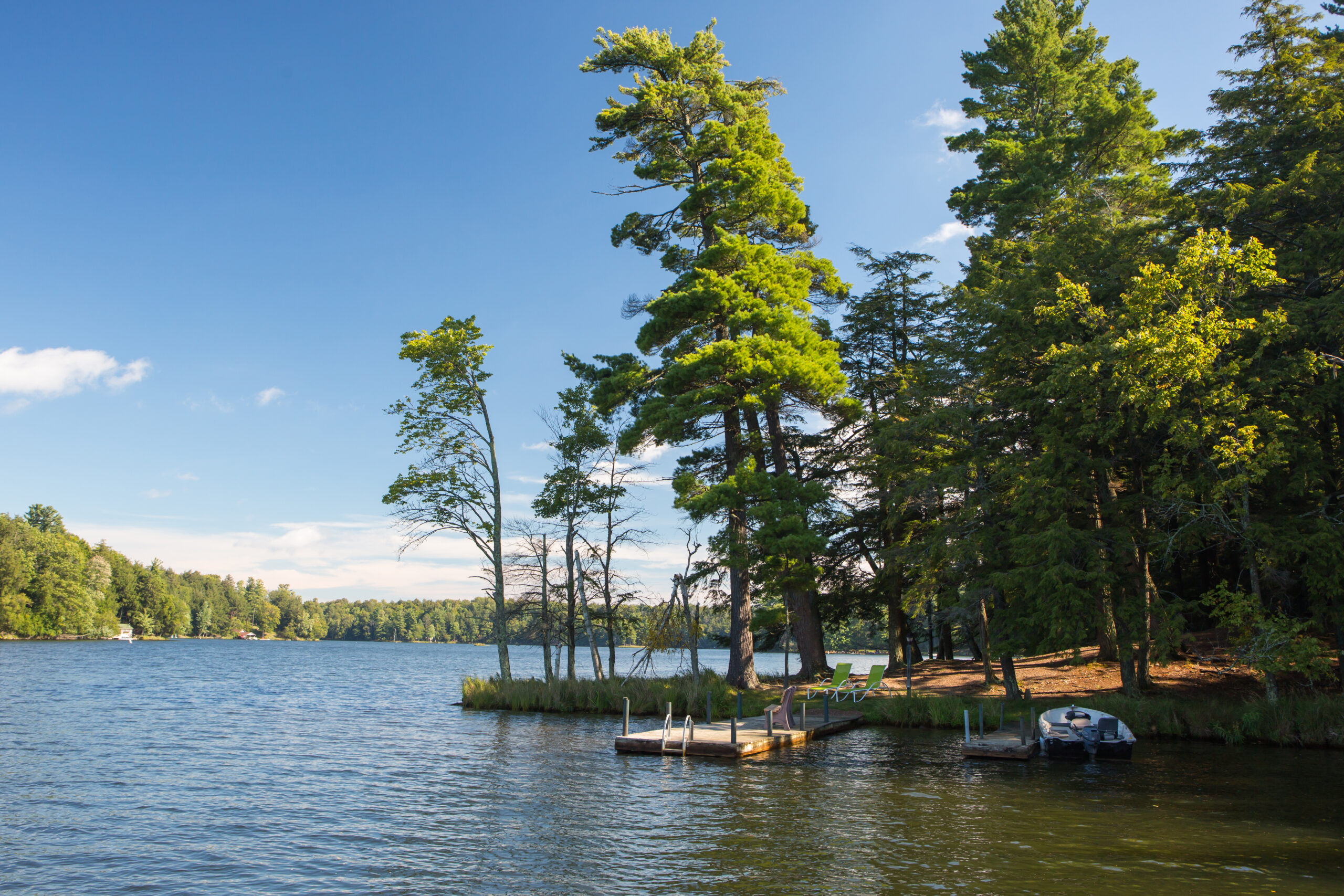
Lake house builder in Wisconsin shares how to assess if a lake lot is safe, including soil, setbacks, flooding, and permits, plus professional tips you can use right away. Read this guide and plan with confidence.
Building on a lake lot is an exciting investment. The views, the calm mornings, and the time with family are worth it. Yet the best lake homes start with a safe, buildable site. As a trusted lake house builder in Wisconsin, Jorndt Fahey, LLC has guided many clients through the right steps to confirm that a lot can support a long-lasting, beautiful home. This article explains how to evaluate a lake property so you can protect your budget, meet local rules, and enjoy a smooth build from concept to completion.
Start With Smart Due Diligence
Before you fall in love with a view, confirm the facts that determine safety and buildability. This early work can save time, money, and stress later.
- Talk with local zoning staff and the county land records office.
- Review recent surveys, site plans, and any previous soil or septic reports.
- Walk the lot after rainfall to see drainage patterns and standing water.
- Study neighboring shorelines for signs of erosion or ice shove.
- Ask for written confirmation of pier rights, easements, and access.
Jorndt Fahey, LLC often joins clients during this stage. Our team knows the right questions to ask and how to spot hidden costs. This is an easy way to gain clarity while you decide whether to move forward with an offer.
Know the Rules: Zoning, Setbacks, and Shoreland Limits
Most Wisconsin lakes fall under county shoreland zoning and state rules. These rules set how close you can build to the water, how tall the home can be, and how much of the lot can have impervious surfaces like roofs and driveways.
- Front, side, and rear setbacks often change within the shoreland zone.
- Structures must stay outside the ordinary high water mark area.
- Lot coverage and grading are limited to protect the shoreline.
- Tree removal and vegetation clearing may be restricted.
A lake house builder in Wisconsin will review local ordinances, HOA or association rules, and any architectural review requirements. Jorndt Fahey, LLC coordinates with zoning officials early, helps model a concept plan that meets setbacks, and shows how to use the site well without risking a denial.
Soils, Septic, and Well Feasibility
Soil quality is a big factor in safety. It affects the foundation design, drainage, and septic options if you are not on municipal utilities.
Soil Testing and Foundations
Order soil borings or a geotechnical report. These tests confirm bearing capacity, groundwater depth, and whether special foundation systems are needed. Clay, peat, or fill require different design compared to clean sand or gravel. A strong foundation prevents settlement, cracking, and moisture problems. Jorndt Fahey, LLC works with geotechnical engineers to design safe foundations that respect the lot and the budget.
Septic and Well Considerations
Many lake lots rely on private onsite wastewater systems. A licensed soil tester should perform a perc test to determine if a conventional or mound system is possible. There must be space for primary and future replacement areas, along with proper setbacks from wells, property lines, and the lake. If a private well is required, confirm a safe well location with adequate separation from septic components. These approvals are essential for permits and long-term health of the site.
Flooding, Water Levels, and Erosion Risk
Water is beautiful but it is also powerful. Confirm that your build site is outside mapped floodplains and meets required elevations above the base flood level.
- Check FEMA flood maps and county data. Ask about historical high water events.
- Identify the ordinary high water mark and maintain required vertical clearance for critical systems and finishes.
- Inspect shoreline for erosion, scour, or ice push. Rock revetments and native plantings can stabilize banks if allowed.
- Protect slopes during construction to prevent sediment from reaching the lake.
Experienced teams plan grading, drainage, and erosion control before construction begins. Jorndt Fahey, LLC coordinates with civil engineers to direct runoff safely, protect the shoreline, and shield your foundation from excessive moisture.
Topography, Access, and Utilities
Steep slopes and narrow access points can make a lake lot difficult to build on. Plan for safe construction access, staging areas, and future use of the driveway in all seasons.
- Confirm that heavy equipment can reach the build area without damaging trees or neighboring property.
- Evaluate whether retaining walls or stepped foundations are necessary for steep grades.
- Map utility locations for power, gas, water, and sewer or plan for well and septic. In remote areas, propane and underground electric may be needed.
- Consider snow and ice. Driveways must be safe to clear and navigate in winter.
A lake house builder in Wisconsin will model sightlines, sun angles, prevailing winds, and privacy to place the home and garage correctly. Jorndt Fahey, LLC uses these insights to create a design that feels effortless year round while staying practical for maintenance.
Environmental and Wetland Considerations
Some lake lots include wetlands or sensitive habitats that limit disturbance. A professional wetland delineation may be needed to map boundaries and confirm buildable areas. Avoid grading or filling regulated wetlands without permits. Look for signs of protected species habitats and consult with local staff if in doubt. Early clarity avoids delays or redesigns later.
Survey, Title, and Riparian Rights
A current boundary survey protects you from setbacks or encroachment errors. The survey should locate property lines, easements, utilities, and the ordinary high water mark. A title review can reveal shared drive agreements, pier rights, or view easements that influence the design. Understanding riparian rights is key to placing a pier and maintaining fair access without conflicts.
Logistics for Building on the Water
Lake builds can require special logistics that do not apply to inland lots. Plan for how materials will reach the site, where crews will park, and how debris will be handled.
- Some communities require staging plans or limit construction hours.
- Barges or cranes may be used for tight sites. Plan routes and permits in advance.
- Protect mature trees and roots with fencing and careful excavation.
- Secure the site from runoff with silt fence and stabilized construction entrances.
Jorndt Fahey, LLC coordinates these details with precision. Careful planning keeps neighbors happy, protects the shoreline, and reduces surprises during the build.
Seasonal and Ice Considerations
Wisconsin winters can impact design. Wind-driven ice can push on shorelines, and frost depth affects foundations and buried utilities.
- Design foundations below local frost depth and insulate as needed.
- Use durable exterior materials and details that shed water and ice.
- Confirm roof structure and layout for snow loads and safe shedding.
- Ensure site drainage performs during spring thaws.
The right details protect your investment year after year. A lake house builder in Wisconsin understands these regional needs and designs for comfort through all four seasons.
Budget and Timeline Realities for Lake Builds
Lake lots often cost more to develop than typical suburban sites. Account for surveys, soil testing, engineering, shoreline stabilization, and specialized equipment. Permits and approvals may take longer, especially if design reviews are required. Build in a realistic contingency for hidden conditions such as buried debris, unsuitable soils, or extra erosion control.
Jorndt Fahey, LLC offers transparent budgets and schedules. We keep clients informed with consistent communication and honor timelines. This disciplined approach supports a smooth project from preconstruction through the final walk-through.
How a Lake House Builder in Wisconsin Evaluates a Lot
Here is a typical evaluation flow our clients find helpful:
- Initial consultation to discuss goals, budget, and desired architectural style.
- Site walk to review access, topography, views, and potential home placement.
- Preliminary zoning check to confirm setbacks, height limits, and lot coverage.
- Soil borings and perc testing if needed for foundations and septic planning.
- Conceptual site plan and massing study to illustrate layout and driveway approach.
- Environmental checks for wetlands, shoreline stability, and tree impacts.
- Refined budget and schedule with allowance ranges and clear assumptions.
- Permit roadmap and consultant coordination for a predictable path forward.
During this process, Jorndt Fahey, LLC acts as your guide and builder, bringing in architects and engineers as needed. The result is a confident go or no-go decision backed by facts.
Red Flags and Green Lights
Red Flags to Watch For
- Inconsistent or unknown soil conditions with a history of fill.
- Mapped floodplain over the planned build area.
- Active shoreline erosion, unstable banks, or obvious ice shove damage.
- Setbacks that leave little buildable area for the desired home size.
- Wetland areas that limit access or house placement.
- Unclear pier rights, easements that restrict views or access, or title issues.
- Challenging access that requires major tree removal or specialized equipment.
Green Lights That Inspire Confidence
- Clean soil borings with good bearing capacity and low groundwater.
- Buildable envelope that meets setbacks with room to breathe.
- Stable shoreline with native vegetation and minimal erosion.
- Logical access and utility paths with few obstacles.
- Clear surveys, title, and riparian rights documentation.
- Reasonable permit path and supportive local staff.
Permits and Approvals: What to Expect
Every lake community is a little different, but many projects require a combination of the following:
- County shoreland zoning approval for setbacks, lot coverage, and vegetation changes.
- Erosion control and stormwater permits for grading and site work.
- Septic and well permits if not on municipal utilities.
- State approvals for shoreline stabilization or work near the water when applicable.
- Building permits, inspections, and occupancy certification.
- HOA or architectural review committee approvals if a community association exists.
A seasoned lake house builder in Wisconsin maps these approvals early, sequences submittals, and coordinates drawings so you are never guessing what comes next. Jorndt Fahey, LLC manages this process while keeping you informed at every step.
Designing for Comfort, Beauty, and Longevity
Safety is the baseline. Your lake home also deserves timeless design and easy living. Smart placement captures views without overheating the home. Covered outdoor spaces provide shade and shelter. Durable, low-maintenance materials suit the lake climate while preserving a luxury finish.
Jorndt Fahey, LLC blends innovative design with proven building practices. From custom home design and new home construction to luxury remodels and seamless additions, our team plans every detail with care. We coordinate with architects, engineers, and artisans so your home performs as beautifully as it looks.
Why Choose Jorndt Fahey, LLC
Jorndt Fahey, LLC is a premier custom home builder based in Williams Bay, Wisconsin, serving Lake Geneva, Fontana, Delavan, and nearby communities. Founded by Douglas and Bryan Jorndt of Jorndt Builders, LLC, and Dan Fahey, we combine decades of building expertise with modern design thinking. Our mission is simple. Deliver high-quality craftsmanship, honor timelines, and create happy clients through consistent communication and attention to detail.
Key services include:
- Custom Home Design tailored to your site and lifestyle.
- New Home Construction with full project management from concept to keys.
- Luxury Remodels that elevate existing lake homes.
- Home Additions that feel integrated, not tacked on.
Our leadership team brings complementary strengths. Bryan Jorndt excels at construction and subcontractor coordination with an eye for project visualization. Douglas Jorndt leads business management and customer-focused coordination. Dan Fahey is an expert remodeler and designer known for quality and flexibility. Together, we bring calm, clarity, and care to every lake project.
Frequently Asked Questions
How long does it take to confirm a lake lot is safe to build on?
Most due diligence can be completed in four to eight weeks, depending on soil testing, surveys, and permit questions. Complex sites may take longer. Starting early keeps your project on schedule.
Can I build closer to the water if I keep the footprint small?
Setbacks are usually strict within the shoreland zone. Variances are possible in limited cases but should not be assumed. A better plan is to design creatively within the buildable area.
What if my lot is steep?
Steep lots can yield amazing architecture but require careful design. Expect stepped foundations, retaining walls, and strategic drainage. Work with a team that has completed similar projects.
Do I need a geotechnical report?
While not always required, a geotechnical report is a wise investment for lake properties. It confirms soil capacity and groundwater conditions so your foundation is designed correctly.
Who manages permits and inspections?
A full-service lake house builder in Wisconsin, like Jorndt Fahey, LLC, typically manages the permit path, coordinates consultants, and schedules inspections. This saves time and reduces risk.
Your Next Step
If you are considering a lake lot in Wisconsin, bring in a trusted partner early. Jorndt Fahey, LLC will help you evaluate the site, understand the rules, and create a plan that blends safety, beauty, and value. We specialize in luxury custom homes and high-end remodels on the water. Our team leads with service and finishes with craftsmanship you can feel.
Contact Jorndt Fahey, LLC to discuss your lake lot or schedule a site walk:
- Address: 168 Elkhorn Road, Williams Bay, WI 53191
- Phone: (262) 607-6121
- Email: office@jorndtfaheyllc.com
- Hours: Mon-Fri 7 am to 7 pm, Sat 10 am to 5 pm, Sun 12 pm to 4 pm
Whether you are ready to build now or simply exploring options, we would be honored to help. With the right guidance, your lake lot can become a safe, stunning home that welcomes family and friends for years to come.


Leave A Comment