
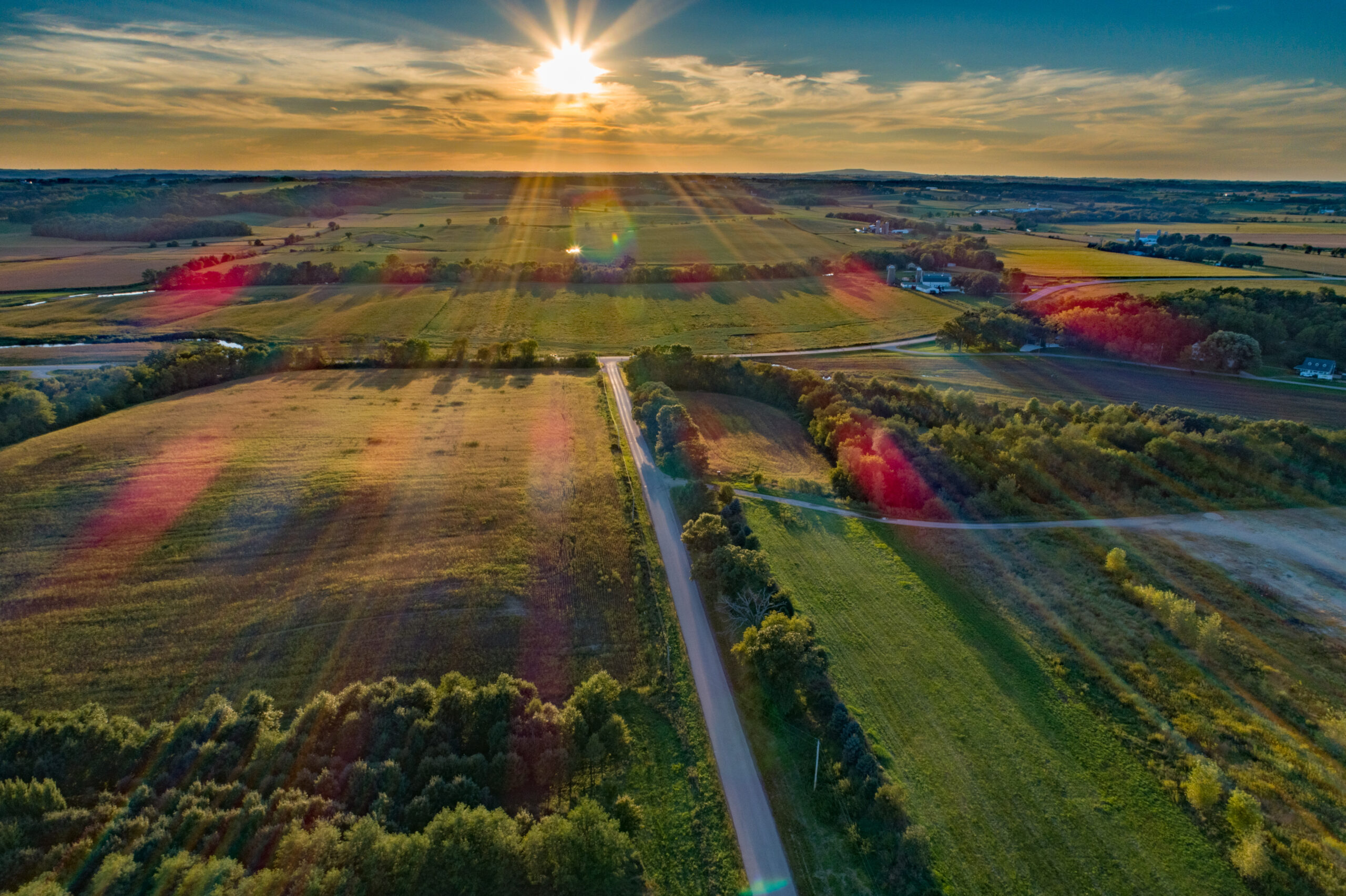
Start Smart When Building in Lake Geneva
Thinking about building in Lake Geneva? The right lot is the foundation of your future home, and the wrong lot can cost you time, money, and peace of mind. This guide covers the top 10 warning signs that a property may be a poor choice, plus practical steps to evaluate land before you buy. building in lake geneva? Spot the top 10 red flags that mean your potential lot is a lemon. Save time and money—get expert tips and avoid pitfalls. Read now.
At Jorndt Fahey, LLC, we help clients select and prepare homesites around Lake Geneva, Fontana, and Delavan. With our custom design expertise and construction experience, we know how to spot risk, shape solutions, and protect your budget. Use this checklist to narrow your options and build with confidence.
Why Your Lot Choice Matters as Much as Your Floor Plan
A beautiful design can falter on a poor lot. Steep grades, unstable soils, or complex restrictions can add months and thousands in unexpected costs. When building in Lake Geneva, site constraints often drive structural choices, driveway layout, utility connections, stormwater management, and even where sunlight enters your great room. Choose well and your project flows. Choose poorly and your timeline stalls.
The Top 10 Red Flags When Building in Lake Geneva
- Complicated zoning and setbacks: If local rules sharply limit buildable area, plans may not fit without variances.
- Wetlands or flood risk: Saturated soils or flood zones can trigger permits, delays, and costly foundations.
- Poor soil or bedrock near the surface: Unstable fill or shallow rock can require special engineering or blasting.
- Steep or awkward slopes: Excessive grading, tall retaining walls, or long switchback driveways drive up costs.
- Utility access hurdles: Distant or undersized gas, electric, water, or sewer connections can be expensive.
- Septic and well challenges: Limited perc rates, small lot size, or contamination concerns can kill feasibility.
- Hidden easements and access issues: Shared drives, utility easements, or unclear access can restrict designs.
- Restrictive HOAs and design controls: Strict architectural rules or view corridors may derail your vision.
- Environmental and shoreline rules: Shoreland zoning, tree removal limits, or habitat concerns reduce options.
- Noise, traffic, or future development: Nuisances or planned projects can hurt long term enjoyment and value.
Dive Deeper: How Each Red Flag Can Derail Your Project
1. Complicated Zoning and Setbacks
Each Lake Geneva area municipality has its own zoning code that defines setbacks, height limits, lot coverage, and building footprint area. A narrow or irregular lot can make it hard to meet rules. Shoreland zoning near lakes and navigable waters tightens requirements further. If the buildable area is tiny, your home may need major redesigns that reduce space or raise costs. Before you fall in love with a plan, confirm the zoning district, required setbacks, lot coverage, and whether variances are realistic. Jorndt Fahey, LLC regularly partners with surveyors and zoning staff to clarify the true building envelope before design begins.
2. Wetlands or Flood Risk
Wetlands are protected resources. Even small or seasonal wetlands can affect where you can build and how water must be managed. Flood risk is another major concern. FEMA flood maps and local data show special flood hazard areas where development faces strict standards. Building in or near these zones can require elevated foundations, flood vents, special materials, and additional permits. The costs and delays often surprise buyers. A site walk after a rain, review of FEMA maps, and a wetlands delineation can save you from a costly mistake.
3. Poor Soil or Bedrock Near the Surface
Soils matter as much as square footage. Expansive clays, fill of unknown origin, or organic soils can compromise foundations. If bedrock is close to the surface, basement excavation may require blasting. Both conditions increase cost and lengthen schedules. A geotechnical report and a careful review of local soil maps give you clarity. When we plan foundations, we shape solutions around the real ground conditions, not wishful thinking. That keeps your project safe and predictable.
4. Steep or Awkward Slopes
Hillside sites can deliver great views, but slopes add complexity. You may need switchback driveways, engineered retaining walls, and more stormwater controls. The cut and fill required to create level pads adds cost and affects drainage. In winter, steep drives can be tough to navigate. For building in Lake Geneva, where lake bluffs and rolling terrain are common, grade studies are essential. Jorndt Fahey, LLC uses thoughtful siting to align your home with the natural landform, limiting costly earthwork and preserving mature trees.
5. Utility Access Hurdles
It seems simple until it is not. If electric, gas, water, or sewer are far from the building envelope, trenching and extension fees can add up fast. In rural pockets, bringing in three phase power or natural gas may be expensive or not available. Public sewer capacity can be limited in certain areas. Ask the utility providers to confirm service points, fees, and timelines in writing. Plan utility routes early to avoid surprises during excavation.
6. Septic and Well Challenges
Where public utilities are not available, your project depends on a quality well and a code compliant septic system. Small lots near shorelines can fail perc tests or lack space for a conventional drain field. Soil depth, groundwater levels, and setbacks from wells and waterbodies all matter. Alternative systems can work but often cost more. Water testing for contaminants like bacteria, nitrates, or arsenic protects your family and your investment. Do these studies before you close, not after.
7. Hidden Easements and Access Issues
An easement gives others legal rights on part of your property. Utility corridors, shared driveways, or old access easements can block garage placement or reduce your buildable area. Landlocked parcels or unclear right of way language can trigger legal battles. Always order a new survey and a title commitment. Make sure property corners are marked and that any encroachments are addressed before you buy. Our team often coordinates surveys and recommends title counsel when access looks complicated.
8. Restrictive HOAs and Design Controls
Many neighborhoods around Lake Geneva maintain strong design standards to preserve a cohesive look. That is good for long term value, but it can slow or reshape your plans. Height limits, roofing materials, fencing rules, and view protections are common. Some communities also set minimum square footage or garage placement rules that may conflict with your vision. Read the covenants, bylaws, and architectural guidelines closely. Jorndt Fahey, LLC respects design boards and presents thoughtful submittals so your approvals move smoothly.
9. Environmental and Shoreline Rules
Wisconsin shoreland zoning often applies within 1000 feet of lakes and 300 feet of streams. Tree removal, impervious surface limits, and grading rules protect water quality and scenery. You may need permits for shoreline work, piers, or stormwater systems. Protecting mature trees can also be required. These rules shape where you can build and how big patios, pools, and driveways can be. Early coordination with local staff and specialists keeps your design beautiful and compliant.
10. Noise, Traffic, or Future Development
What seems quiet in winter can get busy in summer. Roads near lake access points, popular dining, or boat launches can be louder in peak season. Planned road expansions, new subdivisions, or commercial projects can change your setting over time. Visit at different times of day, review local plans, and talk with neighbors. The best lot supports your lifestyle year round.
Your Due Diligence Checklist for Building in Lake Geneva
Use this simple checklist before you write an offer. It can save you from buying a lemon and helps you budget with clarity.
- Order a current survey with setbacks, easements, contours, and flood data shown.
- Confirm zoning district, shoreland rules, lot coverage, and all setbacks with the municipality.
- Review HOA covenants, design guidelines, and approval timelines.
- Check FEMA flood maps and request wetlands screening or delineation if needed.
- Schedule a geotechnical investigation and soil borings if slopes or soils are unknown.
- Request utility availability letters and fee schedules from each provider.
- Plan septic perc testing and sizing studies if no sewer is present.
- Test existing wells for water quality and review well logs where available.
- Walk the lot after rain to observe drainage patterns and possible standing water.
- Visit the neighborhood at different times and seasons to gauge traffic and noise.
- Ask the city or village about upcoming projects, roadway changes, or annexation plans.
- Obtain a title commitment and review exceptions, easements, and access rights with counsel.
Local Insights That Matter Around Lake Geneva
Lake Geneva and the surrounding communities value water quality and scenic character. That means shoreland zoning applies to many properties. Impervious surface caps, vegetative buffers, and tree protections can affect patios, pools, and pathways. In winter, snowmelt and runoff management are also critical. If you are building in Lake Geneva, plan for responsible stormwater solutions that meet code and protect your landscape.
Some lake area lots include steep bluffs or significant grade changes. Driveway design, garage placement, and frost depth footings all need careful thought. In certain areas, blasting may be needed for basements. Utility extensions and coordination with providers can take longer during the busy season. Planning early with a builder who knows the area helps you get ahead of seasonal bottlenecks.
How Jorndt Fahey, LLC Protects Your Investment
Jorndt Fahey, LLC is a premier custom home builder based in Williams Bay, Wisconsin, serving Lake Geneva, Fontana, and Delavan. Founded by Douglas and Bryan Jorndt of Jorndt Builders, LLC, and Dan Fahey, our firm blends decades of field experience with innovative design. We are known for high quality craftsmanship, on time delivery, and clear communication.
Our services include custom home design, new home construction, luxury remodels, and seamless home additions. We collaborate with architects and homeowners to bring luxury visions to life, always with meticulous project management. When clients ask about building in Lake Geneva, we step in early to evaluate land and de risk the process.
- Feasibility studies: We assess zoning, setbacks, topography, and utilities to confirm buildability.
- Budget clarity: We itemize site costs for grading, foundations, utilities, and stormwater before you buy.
- Design integration: We align architectural concepts with site realities to avoid redesigns later.
- Permit navigation: We coordinate with local municipalities and, when needed, shoreline authorities.
- Quality control: We manage subcontractors and timelines with proven systems that protect your investment.
Our leadership team brings a hands on approach. Bryan Jorndt coordinates trades and visualizes construction details. Douglas Jorndt focuses on business management and customer care. Dan Fahey leads remodeling and design initiatives with a flexible, client first mindset. Together, we turn complex sites into custom homes that feel effortless.
Frequently Asked Questions About Lots and Building in Lake Geneva
How do I know if a lot will support my preferred home size?
Start with setbacks, lot coverage limits, and the buildable area on a current survey. Factor in slopes, trees to preserve, and utility locations. Jorndt Fahey, LLC can sketch a concept footprint to test your plan quickly. If your concept does not fit, we propose adjustments that preserve the feeling of your design.
Are all slopes a problem?
No. Gentle slopes can be ideal for walkout basements and view oriented plans. Trouble starts with severe grades, unstable soils, or poorly directed runoff. We perform grade studies and drainage strategies that turn challenging terrain into a design advantage.
What permits are unique to lake area building?
Shoreland zoning often governs grading, tree removal, impervious surface, and structures near the water. Some projects require stormwater management plans and erosion control. If wetlands are nearby, additional permits may apply. Early conversations with the local municipality keep your timeline intact.
How soon should I bring a builder into the lot search?
As early as possible. A few hours of due diligence can prevent months of delay later. Builders who know the area can flag hidden costs, shape better offers, and guide your design choices. Jorndt Fahey, LLC often walks lots with clients before they write an offer.
What are the most common budget surprises?
Undersized or distant utilities, unexpected soil conditions, and extra retaining walls lead the list. Redesign fees after a zoning conflict are another. We attack these early by validating assumptions and coordinating with surveyors, engineers, and utility providers before you finalize your purchase.
Action Plan: Evaluate Your Lot With Confidence
If you are set on building in Lake Geneva, take these steps to reduce risk and speed up your path to move in day.
- Shortlist three to five lots that fit your lifestyle, commute, and desired views.
- Request surveys, zoning summaries, and utility maps from sellers or the municipality.
- Schedule a lot walk with Jorndt Fahey, LLC to discuss grades, access, and siting options.
- Order needed studies early: soil borings, perc tests, and wetlands reviews where applicable.
- Align your design wish list with the site conditions to avoid cost creep.
- Build a realistic budget that includes site work, foundation complexity, and contingency.
Build With a Team That Treats Your Home Like Their Own
You deserve a builder who listens, informs, and delivers. Jorndt Fahey, LLC offers refined craftsmanship and a welcoming, client focused process. We plan the details, coordinate the trades, and protect your timeline, all while bringing your vision to life. Whether you want a modern lake home, a timeless shingle style retreat, or a luxury remodel, our team brings the same dedication and care.
Ready to evaluate a lot or start design work for building in Lake Geneva? Contact Jorndt Fahey, LLC today. Address: 168 Elkhorn Road, Williams Bay, WI 53191. Phone: (262) 607-6121. Email: office@jorndtfaheyllc.com. Hours: Mon-Fri 7 am to 7 pm, Sat 10 am to 5 pm, Sun 12 pm to 4 pm. We look forward to meeting you and helping you choose a site that supports your dreams and your budget.
With the right lot and the right partner, the path to your custom home can be smooth and rewarding. Avoid the lemons, lean on proven expertise, and enjoy the best of building in Lake Geneva with Jorndt Fahey, LLC by your side.

Leave A Comment