
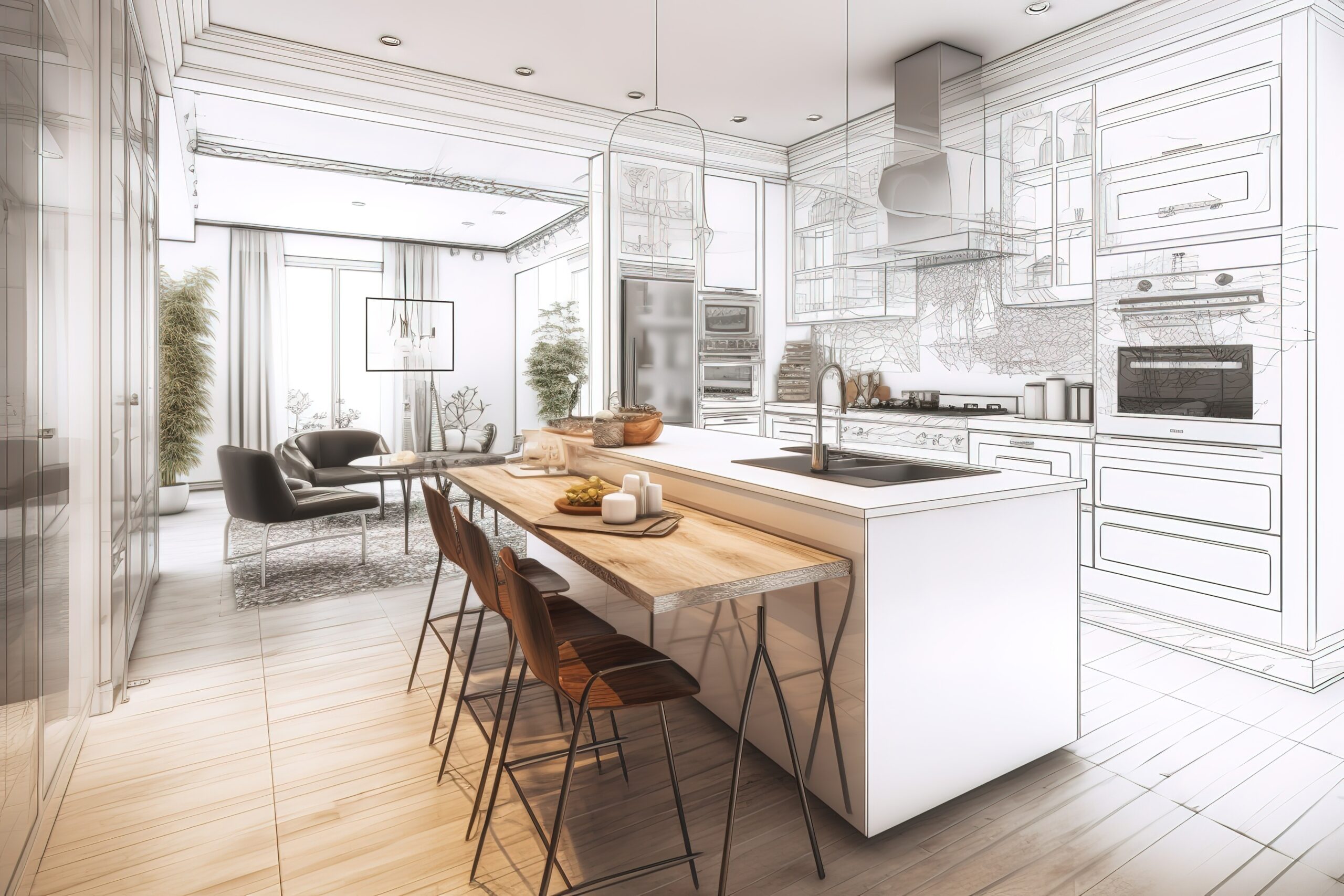
Why a New Home Feels Small After the First Year
New home feels small? You are not alone. Many homeowners enjoy a generous sense of space right after move in, only to feel cramped a year later. The reason is simple. Daily routines reveal what design and storage choices hide. As seasons change and belongings grow, little oversights begin to add up. The good news is that most of these issues have smart, practical fixes.
This guide explains the subtle mistakes that make rooms feel tight over time and how to avoid them from the start. If you already live in your new build, you will also find simple upgrades to restore breathing room. As a premier custom home builder based in Williams Bay and serving Lake Geneva, Fontana, and Delavan, Jorndt Fahey, LLC helps clients plan, build, and fine tune homes that feel spacious and inviting for years.
Early Planning Pitfalls That Shrink Space
Overlooking Furniture Scale and Circulation
Many layouts look generous on paper but feel cramped in real life. The issue is often furniture sizing and walking paths. Sofas that are too deep, beds that are too wide, and bulky dining sets crowd rooms. One year in, after adding side tables and storage, it can feel like the walls moved in.
Plan clear circulation from day one. Leave at least three feet for walkways around major pieces. Size furniture to match the room and ceiling height. In open plans, use area rugs to define zones without using oversized furniture as walls. If your new home feels small now, remove one large piece from each room, then rebuild the layout with scaled items.
Underestimating Storage and Everyday Drop Zones
Clutter creep is real. Coats, shoes, mail, sports gear, and backpacks need a home. Missing mudroom cubbies, pantry pullouts, or laundry cabinets forces items onto counters and floors. After a year, piles make rooms look tighter.
Design built in storage near the action. Mudroom lockers by the garage, a bench with drawers near the entry, pantry organizers, and cabinetry in laundry rooms control clutter at the source. For a quick fix, add slim cabinets or wall hooks in high traffic areas and swap deep shelves for pullouts to make every inch count.
Chasing Trends Instead of Daily Routines
Trends change. Your routine does not. Floating shelves look sleek in photos but demand constant styling and dusting. A wall of glass cabinets is beautiful yet leaves little hidden storage. After a year, open shelving can make your new home feel small because visual clutter builds fast.
Balance display and storage. Choose a mix of open and closed solutions. If your home already leans too open, add baskets, lidded bins, or doors to key sections so you can put things away without fuss.
Ignoring Natural Light and Window Placement
Light expands space. Poor window placement or small window sizes can make rooms feel closed in. Overuse of heavy shades and dark trim compounds the effect, especially during long Wisconsin winters.
Use larger windows, transoms, or clerestory windows that capture light without sacrificing privacy. Consider glass doors for internal rooms. If your home is built, lighten window treatments with linen or sheer fabrics and use simple, slim hardware to maximize sunlight.
Forgetting Ceiling Height and Vertical Space
Tall walls without vertical design features can still feel low. The eye needs cues to read height. Skipping crown molding, ceiling details, or vertical storage wastes valuable volume.
Introduce vertical elements that draw the eye up. Built in bookcases, full height tile, or board and batten all give a sense of lift. If your new home feels small, raise curtain rods near the ceiling and choose longer panels to add height.
Construction and Finish Choices That Make Rooms Feel Tight
Dark Finishes Without Balance
Dark cabinets, floors, and paint can be elegant. They also absorb light. If most surfaces are dark, the space can feel smaller over time, especially as more items enter the room.
Balance rich finishes with lighter walls, ceilings, and trim. Add glossy or reflective accents like glass and mirrors to bounce light. A few medium tone woods and soft neutrals can keep the design warm without closing in the space.
Choppy Flooring and Visual Breaks
Multiple flooring types across small areas can chop up a home. Different colors or patterns in every room break sightlines that make an open plan feel expansive.
Use a continuous floor in main living areas to extend the view. In wet zones, choose similar tones and textures to maintain a unified look. If replacement is not an option, use larger area rugs in complementary tones to visually connect spaces.
Door Swings That Steal Space
Poorly placed doors and wide swings can crowd tight spots. A bedroom door that opens into a dresser or a powder room door that blocks a sink edge creates daily frustration and a cramped feel.
Consider pocket doors or well designed barn doors where privacy matters but floor swing space is limited. For a simple improvement, reverse hinge directions or use slimmer door slabs where code allows.
Kitchen Layouts With Pinch Points
After a year of daily use, the kitchen reveals its secrets. Fridges that open into islands, tight dishwasher clearances, and narrow work aisles cause traffic jams. Stools crammed behind a cooktop make the room feel too busy and too small.
Plan 42 inches of aisle space in one cook kitchens and 48 inches for two cooks. Ensure appliance doors clear nearby cabinets and island corners. If your new home feels small now, remove a couple of stools, add under cabinet lighting, and declutter counters to restore flow.
Bathrooms With Too Many Small Fixtures
Many small elements can make a space feel smaller than one or two bold pieces. Tiny vanities, multiple small mirrors, and lots of little shelves crowd the eye.
Choose a simple, larger mirror, a single well scaled vanity, and one strong storage piece. Light colors, large format tile, and clear shower glass help a bath feel open.
Lifestyle and Decor Habits That Cram Spaces Over Time
The Paper, Toy, and Gear Pileup
Mail, schoolwork, sports gear, and hobby supplies multiply fast. Without dedicated systems, these items spread into living areas and shrink usable space.
Establish a weekly reset. Add labeled bins for each family member. Keep a shredder and mail sorter by the entry. Store bulky gear in the garage with ceiling racks or wall systems to free up floors.
Oversized Decor and Window Treatments
Huge coffee tables, thick drapes, and large lamps swallow square footage. After a year, you may add more art, pillows, and decor as well, which can overwhelm a room.
Pick slim lamp bases, narrow side tables, and light drapery panels. Use one statement piece instead of many small ones. Large art can work, but balance it with negative space on adjacent walls.
One Note Lighting
A single overhead light creates shadows in corners and highlights clutter. Over time, that shadowy look makes rooms feel closed in.
Layer lighting. Combine ceiling lights, sconces, and table or floor lamps. Use warm bulbs around 2700 to 3000K. Add dimmers so you can shift the mood and create depth.
Visible Tech and Cable Clutter
Routers, game consoles, cords, and charging stations pile up on surfaces. Small items scattered everywhere read as clutter, which visually shrinks a room.
Hide tech inside cabinets with cord cutouts. Use cable channels or in wall raceways for TV wires. Create a single charging drawer in the kitchen or mudroom so devices do not cover the island.
A One Year Tune Up Checklist to Reclaim Space
- Edit each room. Remove one piece of furniture, five decor items, and any duplicate lamps or side tables. Reassess layouts with fewer objects.
- Establish drop zones. Add hooks, trays, and bins near entries, in the kitchen, and by the laundry.
- Unify floors. If you cannot change flooring, use rugs in similar tones across adjacent rooms.
- Improve light. Add two new light sources per main room and switch heavy window treatments for light fabrics.
- Lift the eye. Hang curtains near the ceiling line. Install a tall bookcase or add vertical wall treatment to one feature wall.
- Rework door swings. Reverse hinges where sensible. Consider pocket doors for tight hall baths or closets.
- Streamline surfaces. Keep only daily tools on counters. Store small appliances. Use drawer dividers to prevent junk buildup.
- Refresh color. Choose a cohesive palette of two main neutrals and one or two accent colors repeated through the home.
- Maximize closets. Add double hanging rods, slim velvet hangers, and clear bins. Label shelves to keep order.
- Address tech clutter. Mount power strips under desks, add cord management, and create a dedicated charging drawer.
Design Strategies That Keep Homes Feeling Open for Years
Flexible Rooms and Built Ins
Design rooms that shift with your life. A den with built in desks can double as a guest room with a wall bed. A loft with storage niches can flex between playroom and media space. Built ins control clutter and reduce the need for bulky furniture.
Multi Use Furniture
Choose pieces that work hard. Ottomans with storage, nesting tables, benches with lift tops, and consoles that convert into desks keep rooms tidy while saving space.
Protected Sightlines
Plan clear views across main rooms. Keep tall storage on perimeter walls. Use glass cabinet doors in key spots, open railings, and wide cased openings to keep the eye moving.
Unified Color and Materials
Use a cohesive palette across walls, trim, and large surfaces. Repeat wood tones and metal finishes. Consistency builds calm, which reads as space.
Extend Living Outdoors
Porches, decks, and patios become part of your usable square footage for much of the year. Use large sliders or bi fold doors to connect indoors and out. A well planned outdoor room can relieve pressure on living and dining areas.
How Jorndt Fahey, LLC Prevents the New Home Feels Small Problem
Jorndt Fahey, LLC blends luxury craftsmanship with practical design insight so your home feels open, organized, and timeless on day one and day 1,000. Based in Williams Bay and serving Lake Geneva, Fontana, and Delavan, the team guides clients through planning, design, and construction with a clear focus on everyday living.
- Custom Home Design that tailors floor plans, sightlines, and storage to your routines.
- New Home Construction that integrates efficient layouts, quality materials, and light filled spaces.
- Luxury Remodels that correct layout pinch points and add smart storage without cutting corners.
- Home Additions that expand with clean transitions so old and new flow as one.
Leadership matters. Bryan Jorndt coordinates construction and subcontractors with a builder’s eye for flow and scale. Douglas Jorndt brings business management and client first coordination so details stay aligned and timelines hold. Dan Fahey is a seasoned remodeler and designer who adapts plans to real world needs. Together, the Jorndt Fahey, LLC team has the experience to prevent common issues that lead to a new home feeling small after a year.
Communication is at the core. From the first concept sketch to the final punch list, Jorndt Fahey, LLC listens to your priorities and studies how you live. That means they plan storage where you actually drop bags, size halls and islands for real traffic, and choose finish combinations that look beautiful without closing in a room.
Real World Example
A family in Lake Geneva wanted a light filled open plan with lake views. The early design favored dramatic open shelves and dark floors. Jorndt Fahey, LLC recommended a more balanced approach. They added a wall of built in cabinets with doors alongside a few open shelves, selected a medium tone floor with a satin finish to reflect light, and widened the aisle around the kitchen island to 48 inches. They also raised curtain rods near the ceiling and chose trim painted a shade lighter than the walls. One year later the home still felt open and relaxed because clutter had a home, the layout supported daily life, and the finishes amplified natural light.
Service Areas and How to Get Started
Jorndt Fahey, LLC serves Williams Bay, Lake Geneva, Fontana, Delavan, and nearby communities. Whether you plan a custom build, a high end remodel, or a thoughtful addition, the team will guide you from concept to completion with meticulous project management and a commitment to quality.
Visit Jorndt Fahey, LLC at 168 Elkhorn Road, Williams Bay, WI 53191. Call (262) 607-6121 or email office@jorndtfaheyllc.com. Hours are Monday through Friday 7 am to 7 pm, Saturday 10 am to 5 pm, and Sunday 12 pm to 4 pm. Share your vision and your pain points. If your new home feels small, the team will build a clear plan to reclaim space with smart design and refined craftsmanship.
Frequently Asked Questions
Why does my new home feel small after only one year?
Daily habits, added belongings, and small layout oversights build up over time. Missing storage, poor lighting, and furniture that is too large for the room are common reasons. The fix often involves editing furniture, adding drop zones, improving lighting, and unifying finishes.
Can design choices really change how big a room feels?
Yes. Light, color, sightlines, and scale matter. Continuous flooring, layered lighting, and well placed storage can make a modest room feel generous. Poor choices can do the opposite.
What are the fastest ways to make a room feel bigger?
Declutter surfaces, remove one furniture piece, add a second or third light source, and hang curtains near the ceiling. Use mirrors to reflect light and choose a calm, cohesive color palette.
How does Jorndt Fahey, LLC design to keep a home feeling open?
The team studies your routine, sizes walkways correctly, plans storage where you need it, and balances finishes for light and warmth. They coordinate with architects and trades to make sure scaled furniture, clear door swings, and natural light are built into the plan.
When Your New Home Feels Small, Choose a Partner Who Plans for Space
If your new home feels small after a year, the problem is not always square footage. It is planning. With careful attention to scale, storage, light, and daily flow, your home can feel open and effortless. Jorndt Fahey, LLC brings decades of building and design expertise to every project, from first sketch to final walk through. Reach out today to discuss your goals and learn how a thoughtful plan can add comfort, clarity, and spaciousness to every room.
Call (262) 607-6121 or email office@jorndtfaheyllc.com to schedule a conversation. Jorndt Fahey, LLC builds and remodels luxury homes across Williams Bay, Lake Geneva, Fontana, and Delavan, with refined craftsmanship and a client focused process that protects your investment and your peace of mind.



Leave A Comment